
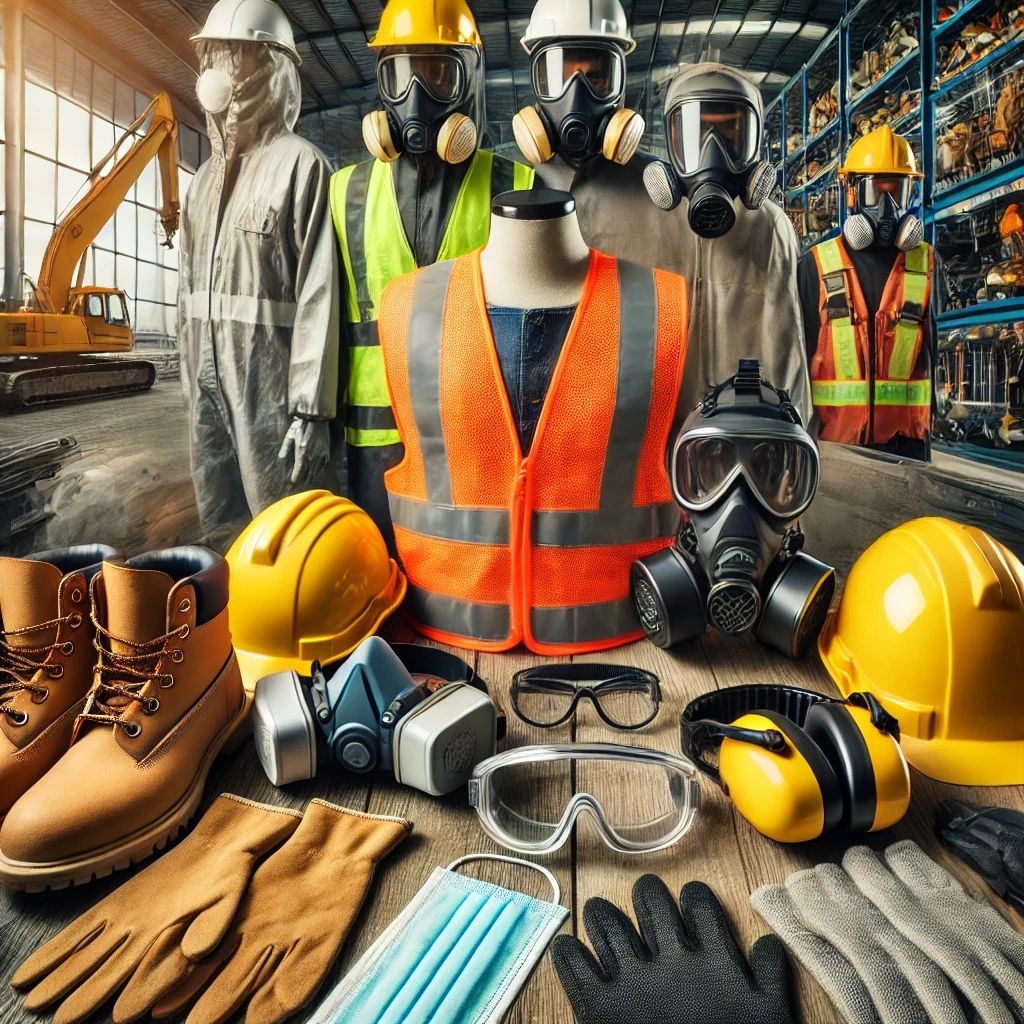
PPEs Supplies and Training
In Kenya, the Occupational Safety and Health Act (OSHA) mandates that employers provide suitable Personal Protective Equipment (PPE) to employees who may be exposed to health and safety risks at work. This applies when other safety measures are insufficient. Furthermore, the PPE must be properly maintained, clean, and fit the worker comfortably to ensure its effectiveness.
Personal Protective Equipment (PPE) refers to protective clothing for the eyes, head, ears, hands, respiratory system, body, and feet. It is utilized to protect individuals from the risks of injury and infection while minimizing exposure to chemical, biological, and physical hazards. PPE serves as the final line of defense when engineering and administrative controls are insufficient in reducing or eliminating risks.
We are Supplies of high quality PPEs
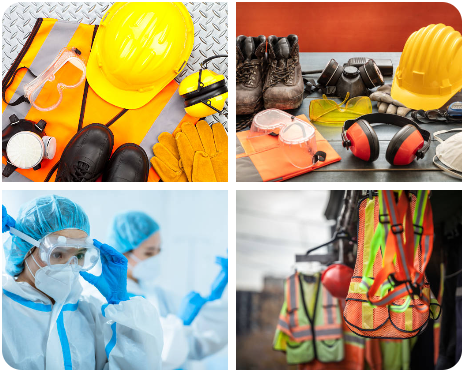
Mwomo Health is a leading supplier and distributor of Personal Protective Equipment (PPE) and industrial safety products in the region. We meet your safety requirements through our partnership with leading brands globally as well as our own line of custom products that meet international standards. Our goal is to promote safe and productive environments for workers across the Country.
We strive to provide the customer with top-notch, long-lasting, and cost-effective products that comply with international safety standards such as CE, SABS, EN and BS. We provide our own line of KEMA branded products and hand- pick world class brands to match your specific requirements.
Breakdown of each type of Personal Protective Equipment (PPE) we supply:
1. Head Protection (Helmets, Hard Hats)
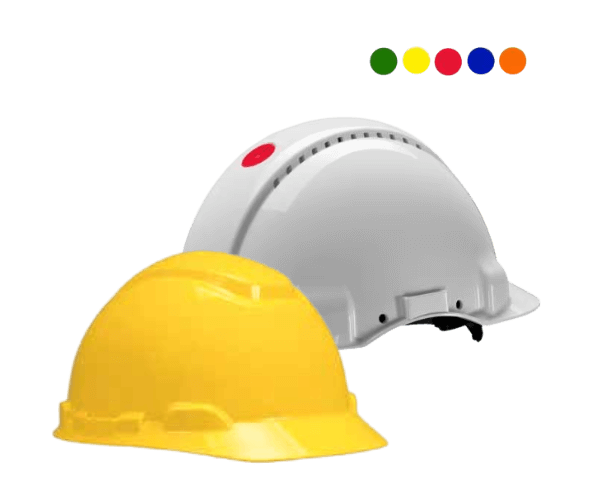
Head protection such as hard hats, head gears or safety helmets is particularly crucial for work environments where falling objects are most likely to occur.
In mining or construction, head safety equipment can help absorb impact and save a worker from injuries from falling rocks or debris, tools, and materials.
For industries involving electrical work, hard hats that are modelled to reduce electrical shock can significantly protect workers dealing with electrical connectors that may come in contact with the head.
2. Eye and Face Protection (Goggles, Face Shields)
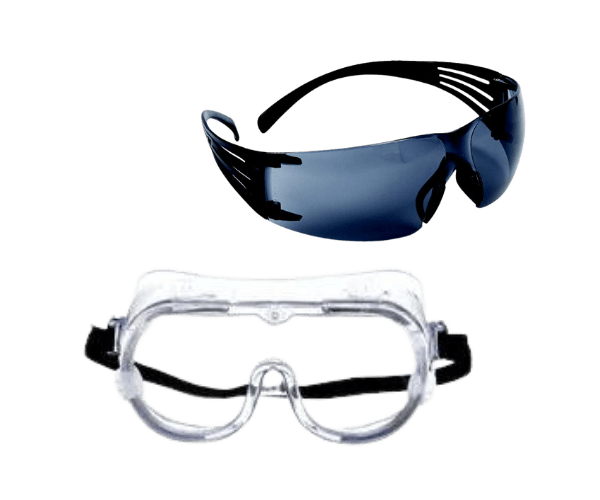
Face shields and safety goggles are essential for construction and manufacturing industries that face flying wood or concrete pieces from saws, drills, and grinders. These hazards can potentially hit and damage the eyes.
Welders and workers from the metal fabrication industry could also use eye and face safety PPE to protect themselves against heat, sparks, and intense light. Without proper equipment in place, a welder can develop the arc-eye or the “welder’s flash,” a painful eye condition prompted by exposure to ultraviolet radiation.
Pharmaceuticals and laboratory employees working with chemicals are also in close contact with substances that harm the eyes, including corrosive acids and alkalis. Safety eye equipment can protect workers and avoid their chances of sustaining eye injuries in the lab.
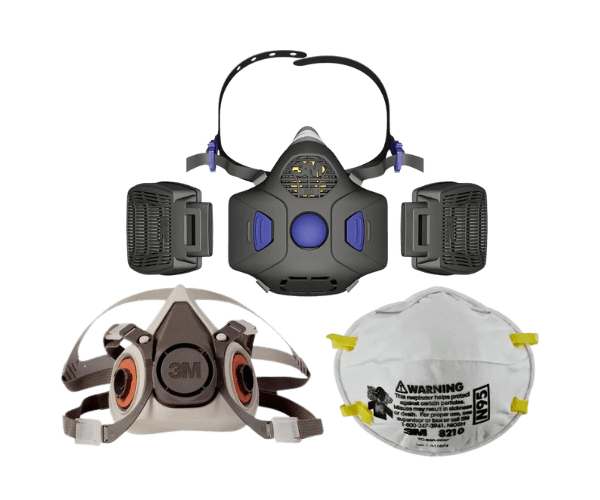
3. Respiratory Protection (Respirators)
Respiratory protection shields users against inhaling dust, mists, vapors, and harmful gases, which may cause lung damage, cancer, or, worse, death. Equipment that falls under this safety PPE category includes disposable respirators, half and full-face respirators, and powered air-purifying respirators.
Industries that can benefit from this safety PPE are chemical plants, healthcare, and factories that deal with airborne contaminants. Additionally, confirming the fit of a respirator to the user through fit testing services is essential to ensure that there are no contaminant leaks into the facepiece.
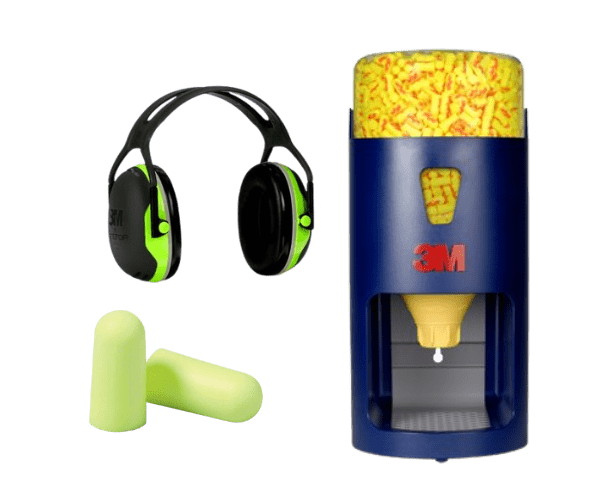
4. Hearing Protection (Earplugs, Earmuffs)
Noise-induced deafness (NID) is one of the occupational diseases in Singapore that has been increasing in recent years, with 624 cases recorded in 2022. Excessive noise in the workplace can be dangerous depending on three factors: the volume of the sound, the duration of exposure, and the frequency of that exposure.
Noise raises an issue if a worker notices temporary hearing loss after leaving work, experiences ringing or humming in their ears, or has the need to shout to be heard by a coworker just an arm’s length away.
Workplaces that may be particularly affected are construction, airports, and manufacturing. Employees in these industries can use hearing protection safety PPE such as earplugs or earmuffs to shield their ears from high noise levels.
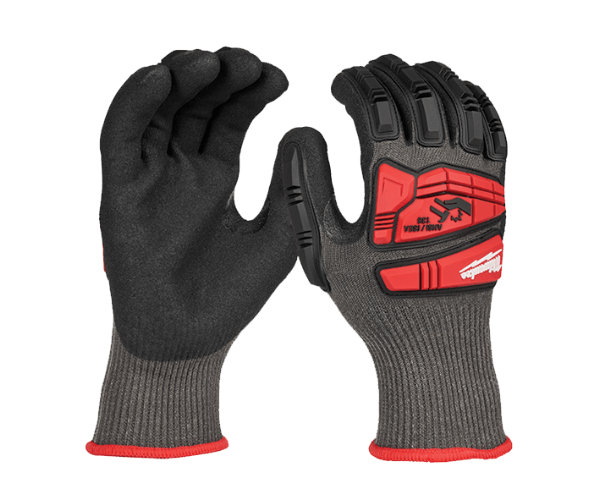
5. Hand Protection (Gloves)
Our hands often lead the work at any work we do. Protecting them to prevent injuries such as cuts, scrapes, burns, and amputations is important to maintain their functionality.
To keep your hands safe, you will need a safety PPE like gloves when working on chemicals, rotating equipment, or touching hot and cold spots. Laboratory, food handling, and manufacturing workers can benefit from gloves fitted for their tasks.
6. Body Protection (Overalls, Vests, Flame-Resistant Clothing)
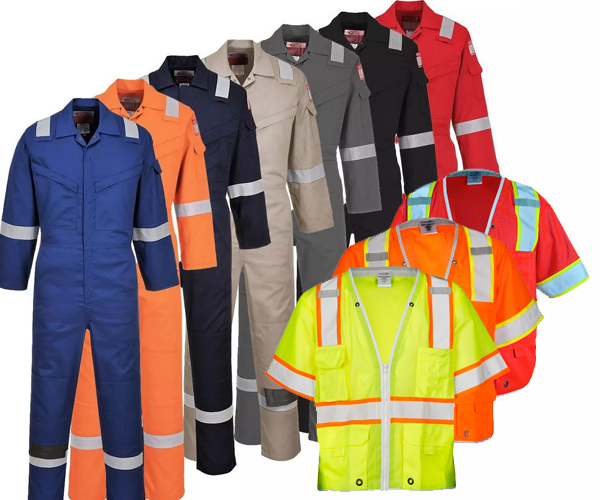
Body protection gear, such as overalls, vests, and flame-resistant clothing, is essential to guard workers against risks in their work environment, such as chemical spills and extreme temperatures. While body safety PPE can be suitable for various industries, it can be particularly beneficial for firefighters and workers in industrial manufacturing.
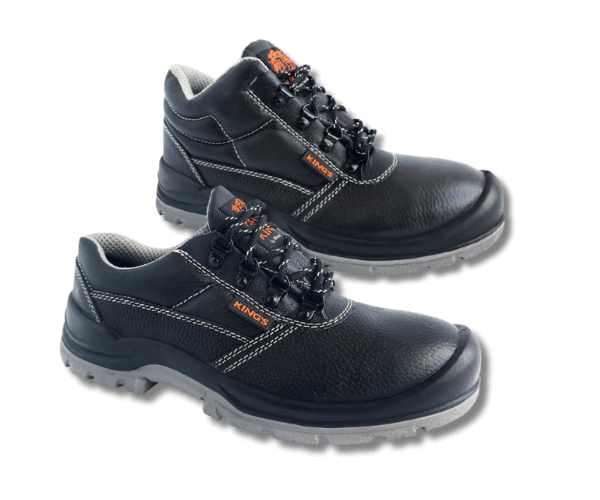
7. Foot Protection (Steel-Toed Boots, Slip-Resistant Shoes)
Foot protection is as important as any other type of personal protective equipment. Foot injuries are commonly obtained through slips and falls, standing for extended periods, or putting frequent pressure on your foot, resulting in stress fractures. These may put quality work, productivity, and worker’s health at risk and are mostly common in construction, warehousing, and electrical work.
Wearing steel-toed boots and slip-resistant shoes can significantly reduce foot injuries in the workplace.
8. Fall Protection (Harnesses, Lanyards)
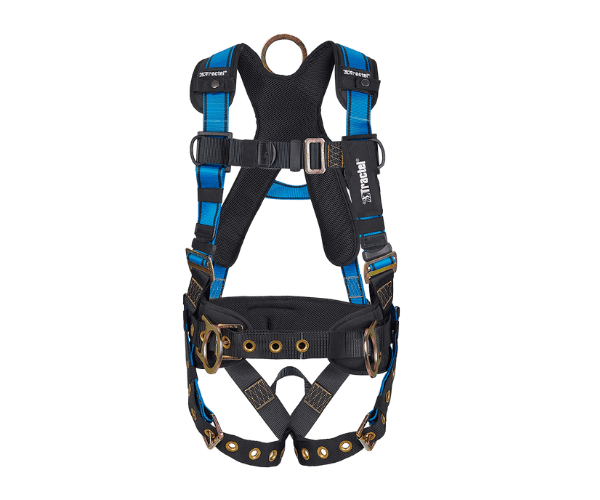
Falls can occur in any workplace, but they are especially prevalent in the roofing, scaffolding, and construction sectors. Protection like harnesses and lanyards can minimize risks and safeguard workers from fall injuries and accidental deaths, especially when working at heights.
Personal Protective Equipment Training
Personal protective equipment (PPE) training is crucial for workplace safety, teaching employees how to properly select, use, and maintain PPE to mitigate risks associated with hazards. This training ensures employees understand the purpose of PPE, its limitations, and how to comply with safety regulation
- Identifying Hazards: Recognizing workplace hazards and determining the appropriate type of PPE needed.
- Types of PPE: Understanding the different categories of PPE, such as head, eye, hand, foot, respiratory, and hearing protection.
- Proper Use and Fit: Learning how to properly don, doff, adjust, and wear PPE to ensure optimal protection and comfort.
- Maintenance and Inspection: Knowing how to inspect, clean, and maintain PPE to ensure its effectiveness and longevity.
- Limitations of PPE: Recognizing the limitations of PPE and when additional safety measures are necessary.
- Compliance with Regulations: Ensuring adherence to local and international safety standards and regulations.
- Employer and Employee Responsibilities: Understanding the roles and responsibilities of both the employer and employee in PPE use and maintenance.
- Health, Safety & Environment (HSE) Solutions
- Workplace Housekeeping and Waste Management
- Fire Safety Equipment and Systems
- Occupational Health and Safety Training
- Workplace OSH Audits and Inspections
- Environmental Impact Assessments Audits
- Environmental Risk Assessment
- OSH Advisory & Consultancy Services
- PPEs Supplies and Training
If You Need Any Help Contact With Us
+254 796 607 650Company Profile & Brochure
Systematic integration of solutions that adhere to EHS (Environment, Health, and Safety) legislation, like the Occupational Safety and Health Act (OSHA) and the Environmental Management and Coordination Act (EMCA), that aims to protect workers and the environment.
PDF. Download DOC. DownloadCreate a safer, healthier workplace with our tailored OSH Advisory & Consultancy Solutions